


Hydrogen Gas H2 Used in Clean Energy Systems
- Anaya Singh

- Mar 17
- 4 min read
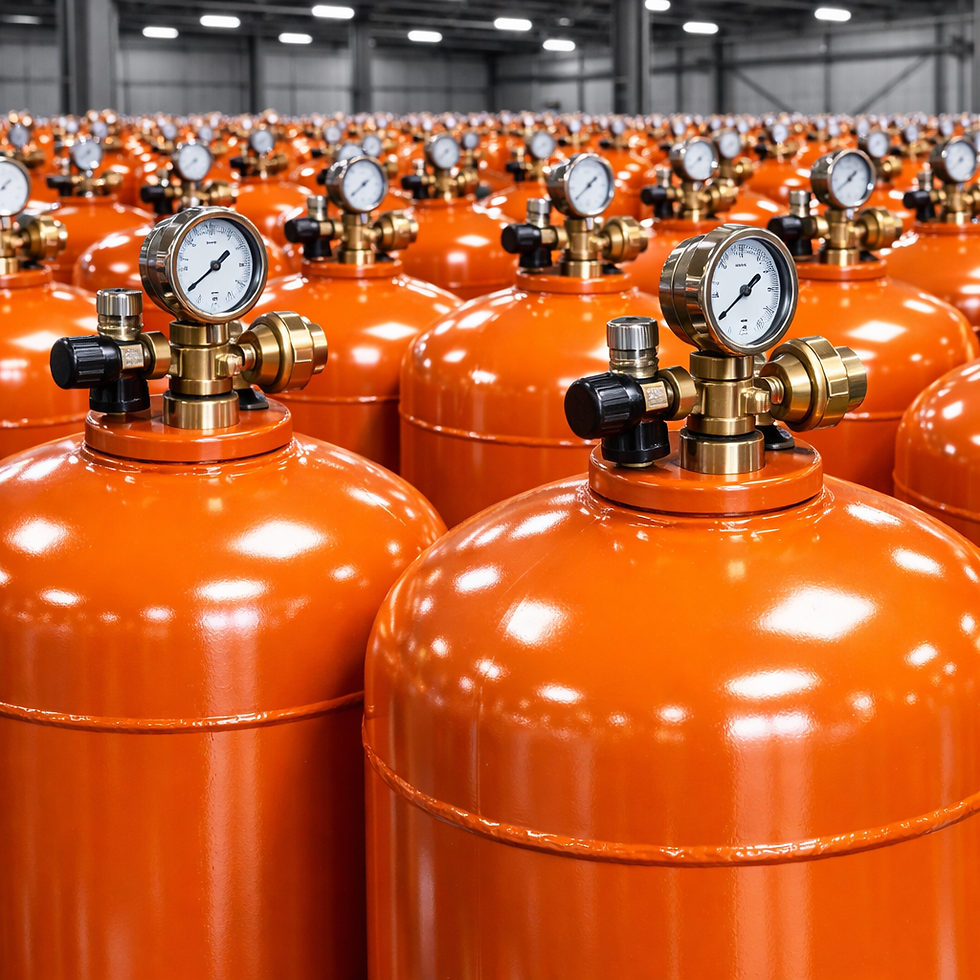
The global transition toward sustainable energy has brought Hydrogen Gas H2 into the spotlight as a powerful and clean alternative to traditional fuels. Its ability to produce energy without carbon emissions makes it a vital component in modern clean energy systems.
Industries and governments alike are investing heavily in hydrogen technologies to reduce environmental impact while maintaining energy efficiency.
Industrial Hydrogen Gas is now widely used beyond manufacturing and chemical processing. It plays a crucial role in renewable energy integration, particularly in systems where energy storage and conversion are required. Hydrogen Gas Manufacturers are focusing on cleaner Hydrogen Gas Production methods to support the rising demand for sustainable energy solutions.
A compelling vision was once shared by Elon Musk, who highlighted the importance of sustainable energy transitions.
While opinions vary on hydrogen, its growing adoption in clean energy systems shows its undeniable potential in reshaping energy infrastructure.
Hydrogen as a Clean Energy Carrier
Hydrogen is not just a fuel but an energy carrier that can store and transport energy efficiently. Unlike fossil fuels, Hydrogen Gas H2 produces only water vapor when used in energy systems, making it an environmentally friendly option.
Hydrogen Gas for Fuel Cells is one of the most promising applications. Fuel cells convert hydrogen into electricity through an electrochemical process, offering high efficiency and zero emissions.
These systems are increasingly used in
Electric vehicles powered by hydrogen fuel cells
Backup power systems for critical infrastructure
Portable energy units for remote locations
Grid stabilization in renewable energy networks
Public transportation systems using clean fuel technology
Hydrogen Gas Suppliers are supporting this transition by ensuring consistent availability of high quality gas for energy applications.
Advancements in Hydrogen Production for Clean Energy
The shift toward clean energy has accelerated innovation in Hydrogen Gas Production. Traditional methods are being replaced with environmentally friendly techniques that reduce carbon emissions.
Green hydrogen, produced using renewable energy sources such as solar and wind, is gaining popularity. This process uses electrolysis to split water into hydrogen and oxygen without releasing greenhouse gases.
Other production advancements include
Blue hydrogen systems that capture carbon emissions during production
Decentralized onsite generation systems for localized energy needs
Hybrid systems combining renewable and conventional energy sources
Advanced purification technologies for High Purity Hydrogen Gas
Hydrogen Gas Exporters are increasingly focusing on sustainable production to meet global energy demands.
Storage and Distribution in Energy Systems
Efficient storage and distribution are critical for the success of hydrogen based energy systems. Hydrogen Gas Storage Cylinders and large scale storage units are used to manage supply across different applications.
Compressed Hydrogen Gas Cylinders are commonly used for transportation and small scale energy systems. For larger applications, hydrogen is stored in liquid form or transported through pipelines.
Key components of hydrogen distribution include
High pressure storage tanks for long term use
Pipeline networks for continuous supply
Mobile storage units for flexible energy deployment
Hydrogen Gas Distribution Systems for controlled delivery
Hydrogen Gas Distributors ensure that energy systems receive uninterrupted supply, which is essential for maintaining performance.
Benefits of Hydrogen in Clean Energy Applications
Hydrogen offers several advantages that make it an ideal choice for clean energy systems. Its versatility allows it to be used across multiple sectors while supporting sustainability goals.
Major benefits include
Zero carbon emissions during energy generation
High energy density compared to many renewable sources
Ability to store excess renewable energy for later use
Compatibility with existing industrial infrastructure
Scalability for both small and large energy systems
These benefits are driving increased adoption of hydrogen technologies worldwide.
Expanding Applications Beyond Power Generation

Hydrogen is not limited to electricity generation. It is also being used in various clean energy related applications that support industrial and environmental goals.
Hydrogen Gas for Metal Processing is helping reduce carbon emissions in steel production. Hydrogen Gas for Electronics Manufacturing supports the development of energy efficient devices. Additionally, Hydrogen Gas for Chemical Industry is enabling cleaner production processes.
Emerging applications include
Hydrogen powered aviation systems
Marine transportation using hydrogen fuel
Integration with renewable energy grids
Development of hydrogen based energy storage solutions
Hydrogen Gas Manufacturers are continuously exploring new ways to expand its use in sustainable technologies.
Industry Insights and Technological Direction
As industries move toward cleaner energy solutions, staying informed about technological advancements becomes essential. Professionals can explore Industrial Machinery Trends 2026 Future of Manufacturers to understand how hydrogen and other innovations are shaping the future of industrial systems.
Learning Through Visual Demonstrations
Clean energy technologies can be better understood through real world examples and demonstrations. Engineers and energy professionals can gain valuable insights by following the Pepagora YouTube Channel, which showcases practical applications of hydrogen and other industrial technologies.
Advanced Hydrogen Solutions for Energy Systems
Organizations looking to implement hydrogen based energy solutions can explore offerings from Freez Tech Innovation, which provides advanced technologies designed to support clean energy initiatives and industrial efficiency.
Global Access to Hydrogen Supply Networks
Access to reliable Hydrogen Gas Suppliers and Hydrogen Gas Exporters is crucial for scaling clean energy systems. Pepagora serves as a Global B2B platform that connects businesses with trusted suppliers, enabling efficient sourcing and collaboration across industries.
Future Potential of Hydrogen in Clean Energy
Hydrogen is expected to become a cornerstone of the global energy transition. Its ability to complement renewable energy sources makes it a key component in achieving long term sustainability goals.
With continuous advancements in Hydrogen Gas Production, storage, and distribution, hydrogen will play an increasingly important role in reducing carbon emissions and supporting energy security. Industries that adopt hydrogen technologies today are positioning themselves for a cleaner and more efficient future.
FAQs
What makes hydrogen suitable for clean energy systems?
Hydrogen produces no carbon emissions during use and can efficiently store and transport energy, making it ideal for clean energy applications.
How is hydrogen used in fuel cells?
Hydrogen reacts with oxygen in fuel cells to generate electricity, with water as the only byproduct.
What are the challenges of hydrogen energy systems?
Challenges include storage complexity, infrastructure development, and production costs, although advancements are addressing these issues.
Can hydrogen replace fossil fuels completely?
Hydrogen has the potential to replace fossil fuels in many applications, but widespread adoption depends on infrastructure and cost improvements.
How can industries access reliable hydrogen supply?
Industries can connect with verified suppliers and distributors through trusted platforms to ensure consistent and high quality hydrogen availability.


Comments